Thyroid Disoreders

Thyroid Disorders

Small Gland. Big Impact

Your thyroid gland plays a vital role in regulating metabolism, energy and overall well-being. Get expert care for thyroid disorders

cb7623d7 bc4e 44a6 bc2e 5ac4579371b1 (1)
picture3

What is Thyroid Disorder ?

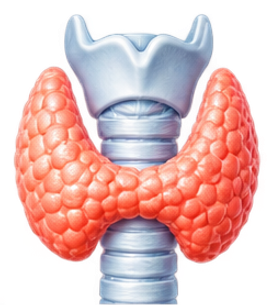
Thyroid disorder occur when your thyroid gland produces too much or too little thyroid hormone. This can affect your metabolism, energy levels weight and many other bodily functions.
Common Symptoms

picture1

Hypothyroidism (Underactive Thyroid)

Thyroid produces insufficient hormones
picture4

Hyperthyroid (Overactive Thyroid)

Thyroid produces excess hormones

picture3

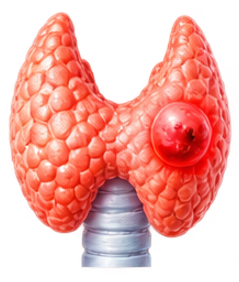
Goiter

Enlargement of thyroid glands

picture14

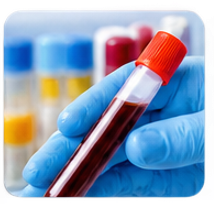
Thyroid Function Test (T3, T4, TSH)

picture13

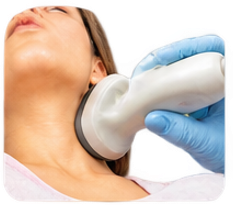
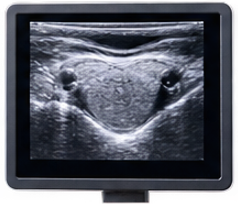
Thyroid Ultrasound

picture15

Thyroid Scan

picture16

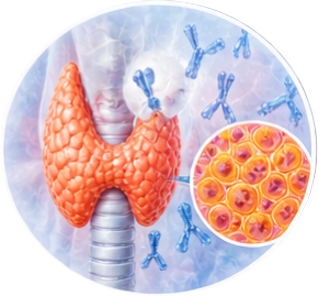
Antibody Tests

Why Choose Dr. Jyoti Gulati

f7bc0939 a85f 4d72 a3e8 fcd180331ab7 whatsapp image 2026 10 30 at 5.36.22 pm

Treatment Options

Treatment depends on the type and severity of thyroid disorder. Options may include

f7bc0939 a85f 4d72 a3e8 fcd180331ab7

Our Services

Comprehensive & Personalised Care

From routine check-ups to specialise treatments, we provide holistic care for a healthier and happire you.

picture19

Eat a Balanced Diet

picture24

Manage Stress

picture20

Exercise Regularly

picture2

Get Enough Iodine

picture1

Have Good Sleep

Real Stories Real Results

Find Us Here !

Ready to Begin Your Wellness Journey ?

Book your consultation yoday and take the first step towards natural, lasting health

FAQs (Frequently Asked Questions)

1. What are the common causes of thyroid disorders?

Thyroid disorders can occur due to autoimmune conditions, iodine deficiency or excess, hormonal changes, genetic factors, and inflammation of the thyroid gland. Conditions such as Hashimoto’s thyroiditis and Graves’ disease are also common causes of thyroid problems.

Many thyroid disorders can be effectively managed with proper treatment and regular monitoring. Hypothyroidism usually requires long-term medication, while some cases of hyperthyroidism can be treated with medication, radioactive iodine therapy, or surgery. Early diagnosis helps prevent complications and maintain a healthy lifestyle.

If you have been diagnosed with a thyroid disorder, your doctor may recommend thyroid function tests (TSH, T3, and T4) every 6–12 weeks initially after starting or changing medication. Once your thyroid levels are stable, testing may be needed every 6–12 months, depending on your condition and doctor’s advice.

Yes. An underactive thyroid (hypothyroidism) can slow down metabolism, leading to weight gain, fatigue, and fluid retention. However, thyroid problems are not the only cause of weight changes. Proper diagnosis, medication, a balanced diet, and regular physical activity can help manage weight effectively.

picture11