Hypertension
Know it. Control It. Live Healthy
High blood pressure can be silent, but it can be dangerous. Get regular check-ups and take control of your heart health.
What is Hypertension ?
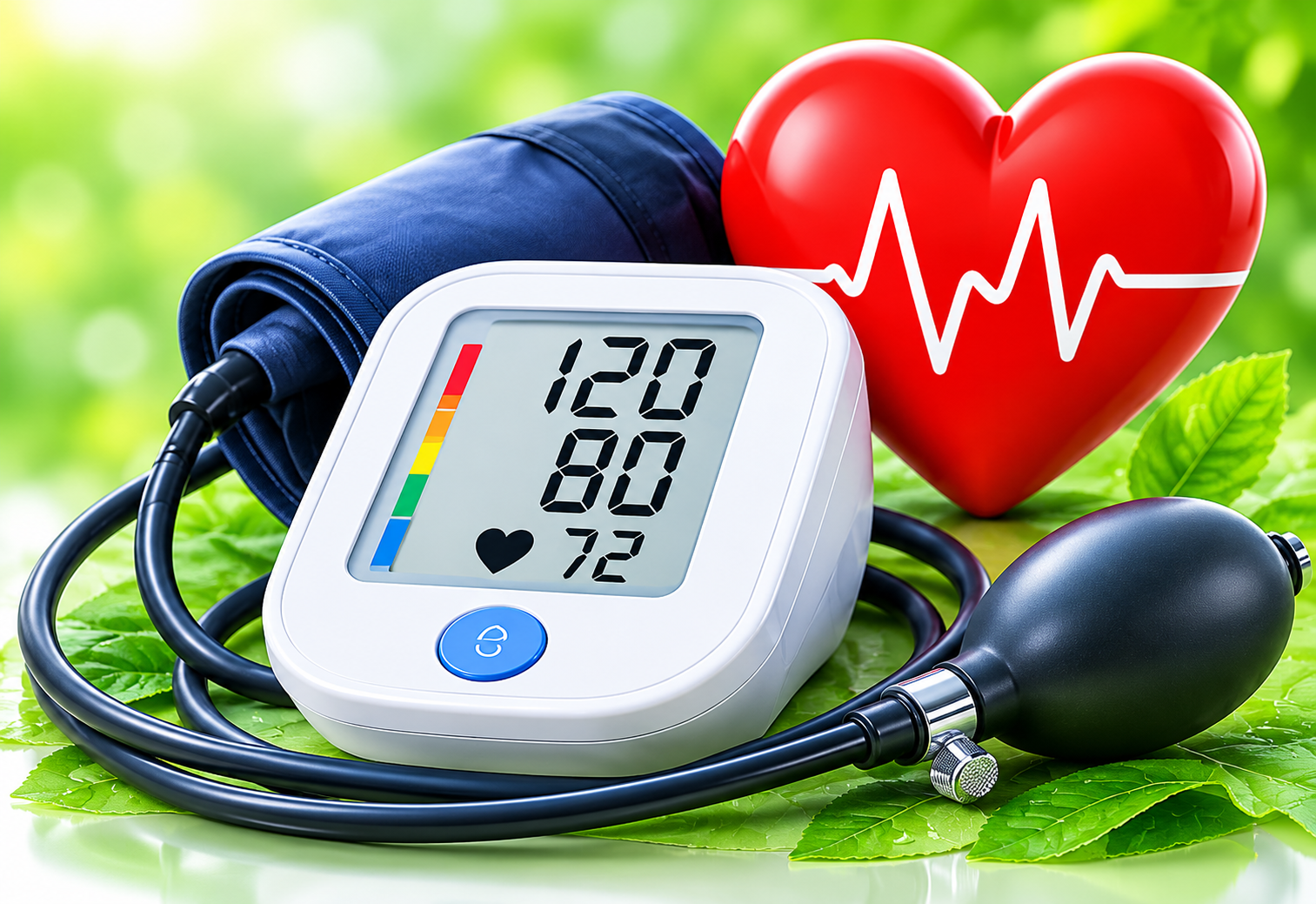
Hypertension is a condition where the force of blood against your artery walls remains consistently high
Symptoms
- Often no symptoms
- Headache
- Dizziness
- Blurred vision
- Chest discomfort
- Shortness of breath
Causes
- Genetics
- UInhealthy diet
- Lack of exercise
- Stress
- Smoking and alcohol
- Increasing age
Risk & Complications
- Heart Attack
- Stroke
- Kidney Damage
- Vision Loss
- Heart Failure
- Peripheral Artery Disease
How to prevent Hypertensions
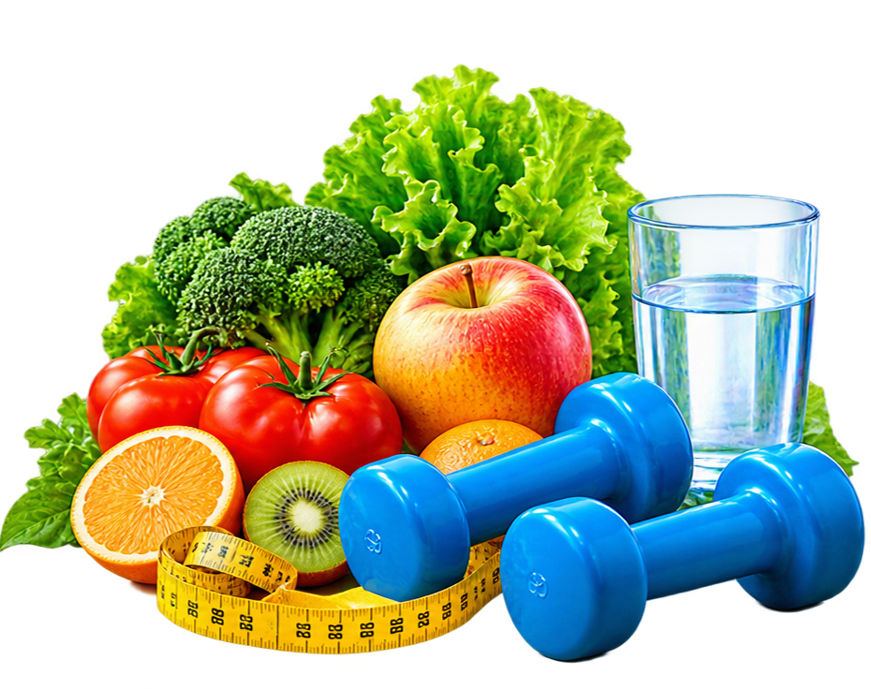
- Eat healthy diet
- Exercise regularly
- Maintain healthy weight
- Reduce salt intake
- Manage stress
- Avoid smoking & alcohol
Treatment Options
- Lifestyle changes
- Medications
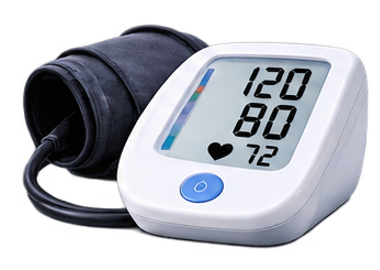
- Regular monitoring
Regular monitoring
- Check BP regularly
- Track your readings
- Follow your doctor's advice
Real Stories Real Results
EXCELLENTTrustindex verifies that the original source of the review is Google. Excellent doctor,CARES . Listen carefully .BEST TREATMENT GIVEN TO PATIENTPosted on GoogleTrustindex verifies that the original source of the review is Google. Dr. Jyoti Gulati is an outstanding doctor who has been our trusted family physician for many years. She takes the time to listen carefully, thoroughly understands the issue, and provides precise and effective treatment. I am deeply grateful for the many times she has helped me and my family recover with her expert care. God bless her!Posted on GoogleTrustindex verifies that the original source of the review is Google. Very nice doctor always ready to help like God givenPosted on GoogleTrustindex verifies that the original source of the review is Google. Nice Doctor
Find Us Here !
Ready to Begin Your Wellness Journey ?
Book your consultation yoday and take the first step towards natural, lasting health
FAQs (Frequently Asked Questions)
1. What is hypertension and why does it occur?
Hypertension, commonly known as high blood pressure, is a condition in which the force of blood against the artery walls remains consistently elevated. It can develop due to genetics, ageing, excessive salt intake, obesity, physical inactivity, stress, kidney problems, and certain medical conditions.
2. What are the common symptoms of high blood pressure?
Hypertension is often called a silent condition because most people do not experience noticeable symptoms. However, severely elevated blood pressure may cause headaches, blurred vision, chest pain, dizziness, or breathlessness. Regular blood pressure monitoring is essential for early detection.
3. What is considered normal blood pressure?
For most adults, normal blood pressure is below 120/80 mmHg. Blood pressure readings are generally classified as:
Normal: Below 120/80 mmHg.
Elevated: Systolic 120–129 and diastolic below 80 mmHg.
High blood pressure: 130/80 mmHg or higher under commonly used US guidelines.
Blood pressure categories may vary between clinical guidelines, and diagnosis should be based on properly measured, repeated readings.
4. Can high blood pressure be permanently cured?
Hypertension can often be effectively controlled through lifestyle modifications and appropriate medication. Some people may achieve normal readings with sustained lifestyle changes, but this does not necessarily mean the condition is permanently cured. Regular monitoring and medical guidance remain important.
5. What are the major risk factors for hypertension?
Common risk factors include:
Family history of high blood pressure.
Excessive salt consumption.
Being overweight or obese.
Lack of physical activity.
Smoking and excessive alcohol consumption.
Chronic stress and poor sleep.
Increasing age.
6. Can high blood pressure affect the heart, kidneys, and brain?
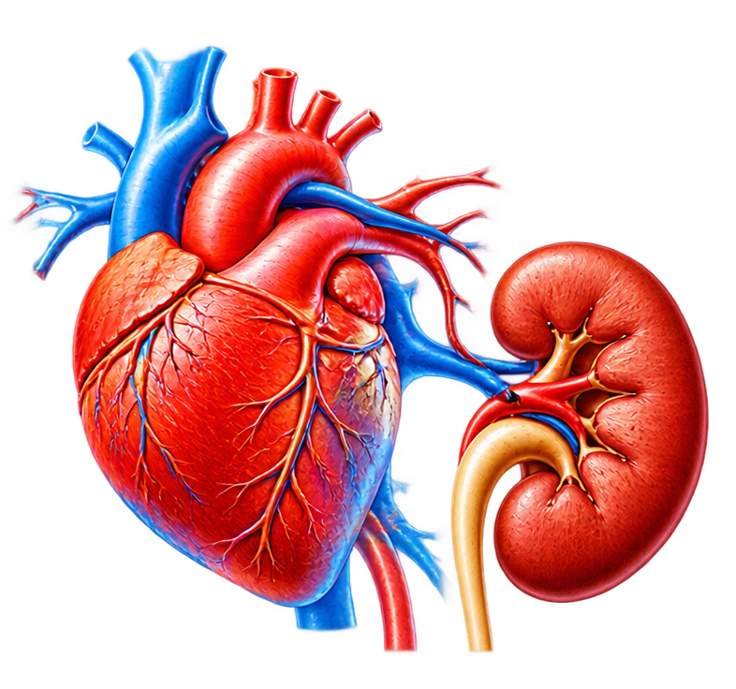
Yes. Uncontrolled hypertension can damage blood vessels and increase the risk of heart attacks, heart failure, stroke, kidney disease, and vision problems. Early diagnosis and consistent treatment help reduce these complications.
7. What foods should I avoid if I have high blood pressure?
People with hypertension should limit salt, processed foods, packaged snacks, pickles, papads, excessive fried foods, and foods high in saturated fats. A balanced diet rich in vegetables, fruits, whole grains, pulses, and low-fat dairy can help support healthy blood pressure.
8. How often should I check my blood pressure?
The frequency depends on your blood pressure levels, medical history, and treatment plan. People diagnosed with hypertension may need regular home monitoring, especially when starting or changing medication. Follow your doctor’s recommended monitoring schedule.
9. Can exercise help control high blood pressure?
Yes. Regular physical activity such as brisk walking, cycling, swimming, and yoga can help lower blood pressure. Aim for approximately 150 minutes of moderate-intensity physical activity per week, if medically appropriate. Consult your doctor before starting a new exercise programme.
10. When should I seek medical attention for high blood pressure?
If your blood pressure is consistently elevated, consult your doctor for evaluation and treatment. If a reading is above 180/120 mmHg, wait at least one minute and measure again. If it remains that high, seek immediate medical advice. If accompanied by chest pain, breathlessness, weakness, vision changes, or difficulty speaking, seek emergency medical care immediately.
