
Intestinal Diseases
Expert Care for Healthy Gut & Better Life
Understand digestive health, recognise early symptoms and get the right medical care for intestinal disorders.
Expert, patient-centred care by Dr. Jyoti Gulati.

Intestinal Diseases
Our intestines play a vital role in digesting food, absorbing nutrients and eliminating waste. When they are affected, it can impact your health, energy and quality of life. Dr. Jyoti Gulati provides expert care for a wide range of intestinal dieases with a holistic and patient-centric approach.

Common Intestinal Diseases

Irritable Bowel Syndrom

Inflammatory Bowel Disease (IBD)
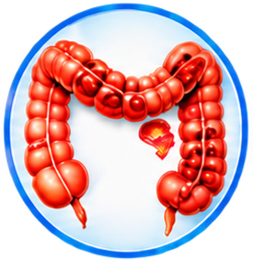
Ulcerative Colitis
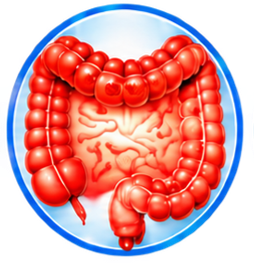
Crohn's Disease

Diverticulitis
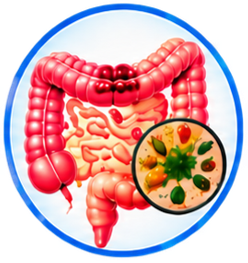
Gastroenteritis
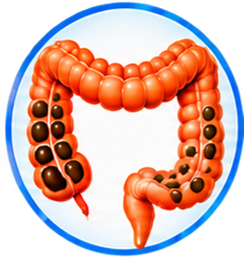
Constipation
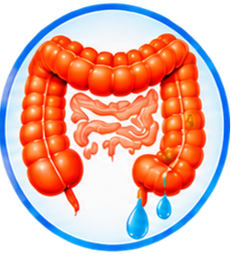
Diarrhoea
Symptoms
- Abdominal pain & Cramps
- Bloating & gas
- Diarrhoea & COnstipation
- Blood in stool
- Heart Failure
- Changes in bowel habbits
- Nausea & vomiting
- Weight loss
- Fatigue

Causes
- Infectios (bacterial, viral, parasitic)
- Inflmatory conditions
- Dietary factors (spicy, fatty food)
- Stress and anxiety
- Poor gut health
- Certain medications
- Lifestyle factors (lack of exercise, irregular meals
- Genetic predisposition

Dignosis
- Medical history and physical examination
- Stool tests (for infection, bleeding.etc.0
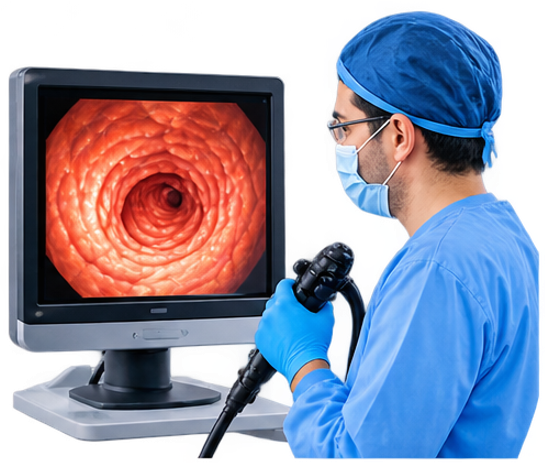
- Colonoscopy/ Sigmoidoscopy
- Blood tests
- Imaging tests(CT scan, Ultrasound,etc.)
Treatment
- Medications as per condition
- Dietary modifications
- Probiotics for gut health
- Treatment for infections or inflammation
- Management of underlaying cause
- Ayurvedic and holistic therapies(where suitable

Lifestyle Tips for Healthy Intestine
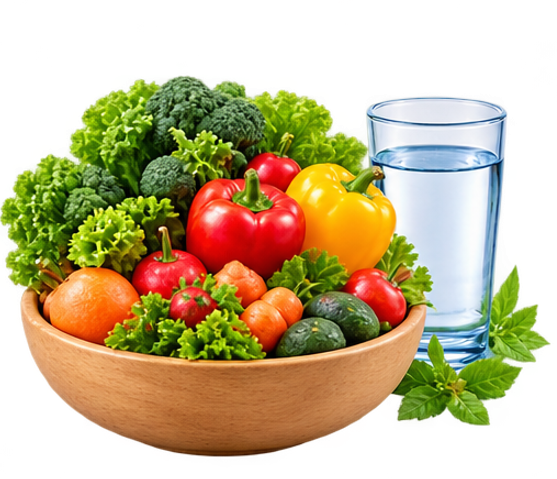
- Eat a balanced diet rich in fibre (fruits vegetables, whole grain)
- Drink plenty of water
- Avoid junk and processed foods
- Manage stress with yoga and meditation
- Exercise regularly
- Maintain good hygiene
Real Stories Real Results
EXCELLENTTrustindex verifies that the original source of the review is Google. Excellent doctor,CARES . Listen carefully .BEST TREATMENT GIVEN TO PATIENTPosted on GoogleTrustindex verifies that the original source of the review is Google. Dr. Jyoti Gulati is an outstanding doctor who has been our trusted family physician for many years. She takes the time to listen carefully, thoroughly understands the issue, and provides precise and effective treatment. I am deeply grateful for the many times she has helped me and my family recover with her expert care. God bless her!Posted on GoogleTrustindex verifies that the original source of the review is Google. Very nice doctor always ready to help like God givenPosted on GoogleTrustindex verifies that the original source of the review is Google. Nice Doctor
Find Us Here !
Ready to Begin Your Wellness Journey ?
Book your consultation yoday and take the first step towards natural, lasting health
FAQs (Frequently Asked Questions)
1. What are the common symptoms of intestinal diseases?
Common symptoms include abdominal pain, bloating, gas, diarrhoea, constipation, nausea, vomiting, blood in stool, and changes in bowel habits. Persistent symptoms should be evaluated by a doctor.
2. What are the most common intestinal diseases?
Common intestinal conditions include Irritable Bowel Syndrome (IBS), Inflammatory Bowel Disease (IBD), Crohn’s disease, ulcerative colitis, diverticulitis, gastroenteritis, and intestinal infections.
3. What is Irritable Bowel Syndrome (IBS)?
IBS is a digestive disorder that affects bowel function. It may cause abdominal cramps, bloating, gas, diarrhoea, constipation, or alternating bowel habits.If you have been diagnosed with a thyroid disorder, your doctor may recommend thyroid function tests (TSH, T3, and T4) every 6–12 weeks initially after starting or changing medication. Once your thyroid levels are stable, testing may be needed every 6–12 months, depending on your condition and doctor’s advice.
4. What is the difference between IBS and IBD?
IBS is a functional digestive disorder that does not cause visible intestinal inflammation. IBD includes conditions such as Crohn’s disease and ulcerative colitis, which cause chronic inflammation in the digestive tract.
5. What causes intestinal diseases?
Intestinal diseases may result from infections, inflammation, food intolerances, genetic factors, immune system problems, certain medications, and unhealthy dietary habits.
6. Can stress affect intestinal health?
Yes. Stress can influence the gut-brain connection and worsen symptoms such as abdominal pain, bloating, diarrhoea, and constipation, particularly in people with IBS.
7. How are intestinal diseases diagnosed?
Diagnosis may involve medical history, physical examination, stool tests, blood tests, colonoscopy, sigmoidoscopy, ultrasound, or CT scans, depending on the suspected condition.
8. Can intestinal diseases be treated?
Yes. Many intestinal conditions can be effectively managed with appropriate treatment, dietary modifications, lifestyle changes, and medications depending on the underlying cause.
9. What foods should I avoid if I have intestinal problems?
Certain foods may trigger symptoms, including highly processed foods, excessive spicy or fatty foods, carbonated drinks, and foods that cause individual intolerance. Dietary recommendations depend on the specific condition.
10. How can I improve my intestinal health naturally?
Eat a balanced, fibre-rich diet, drink adequate water, exercise regularly, maintain good hygiene, manage stress, and follow consistent meal timings.
11. When should I consult a doctor for intestinal problems?
Consult a doctor if you experience persistent abdominal pain, frequent diarrhoea, chronic constipation, unexplained weight loss, or changes in bowel habits. Blood in stool, severe abdominal pain, or signs of dehydration require prompt medical attention.
12. Are probiotics helpful for intestinal health?
Probiotics contain beneficial microorganisms that may help with certain digestive conditions. Their benefits vary depending on the strain and individual condition.
13. Can intestinal diseases cause weight loss?
Yes. Certain intestinal conditions can interfere with digestion and nutrient absorption, potentially leading to unexplained weight loss and nutritional deficiencies.
14. Can intestinal diseases become serious if left untreated?
Some conditions, particularly inflammatory bowel diseases and serious intestinal infections, can lead to complications if not treated appropriately. Early diagnosis and proper medical care are important.
15. Can intestinal diseases be prevented?
Some intestinal problems can be reduced through safe food and water practices, proper handwashing, a balanced diet, regular physical activity, and timely medical attention.
