
Effective Obesity Management
Personalized care to help you achieve a healthier weight and a better lifestyle.

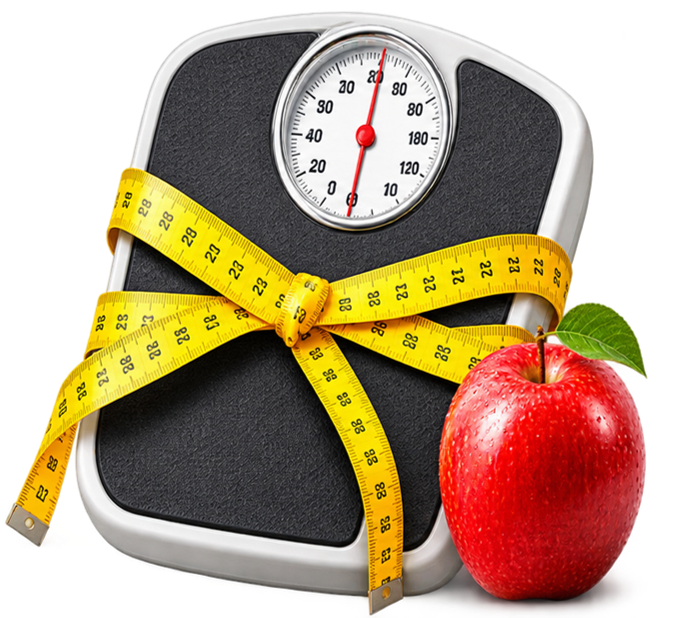
What is Obesity ?
Obesity is a condition where excess body fat accumulates and can impact your health. It is usually measured using Body Mass Index (BMI), waist circumference, and other health factors.
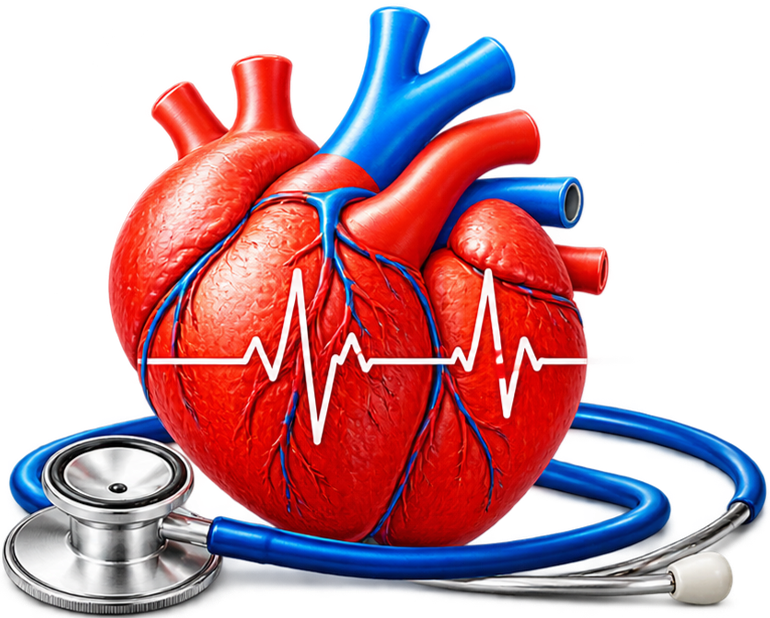
Health Risks & Complications
- Heart Disease
- Type 2 Diabetes
- High Blood Pressure
- Fatty Liver
- Stroke
- Breathing Problems
- Certain Cancers
Benefits Of Weght Management
- Improved Heart Health
- Better Blood Sugar Control
- Enhanced Mobility & Energy
- Improved Self Confidance
- Longer Healthier Life
Our Approach
- Personalised Weight Manangement Plan
- Balance Diet & Nutrition Guidance
- Regular Exercise PRogramm
- Behavioural & Lifestyle Modifications
- Medical Treatment When Needed


Real Stories Real Results
EXCELLENTTrustindex verifies that the original source of the review is Google. Excellent doctor,CARES . Listen carefully .BEST TREATMENT GIVEN TO PATIENTPosted on GoogleTrustindex verifies that the original source of the review is Google. Dr. Jyoti Gulati is an outstanding doctor who has been our trusted family physician for many years. She takes the time to listen carefully, thoroughly understands the issue, and provides precise and effective treatment. I am deeply grateful for the many times she has helped me and my family recover with her expert care. God bless her!Posted on GoogleTrustindex verifies that the original source of the review is Google. Very nice doctor always ready to help like God givenPosted on GoogleTrustindex verifies that the original source of the review is Google. Nice Doctor
Find Us Here !
Ready to Begin Your Wellness Journey ?
Book your consultation yoday and take the first step towards natural, lasting health
FAQs (Frequently Asked Questions)
1. What is obesity?
Obesity is a medical condition in which excess body fat accumulates and may negatively affect overall health. It is commonly assessed using Body Mass Index (BMI), waist circumference, and other health factors.
2. What are the main causes of obesity?
Obesity can result from several factors, including unhealthy eating habits, lack of physical activity, genetics, hormonal imbalances, poor sleep, stress, and certain medications.
3. How can I know if I am obese?
BMI is commonly used as an initial screening tool. A BMI of 30 or above is generally classified as obesity in adults. Waist circumference and other health assessments also help evaluate health risks.
4. What health problems can obesity cause?
Obesity can increase the risk of several health conditions, including:
Type 2 diabetes
High blood pressure
Heart disease
Fatty liver disease
Sleep apnea
Joint problems
Certain types of cancer
5. Can obesity be managed without surgery?
Yes. Many people can manage obesity through healthy eating, regular physical activity, behavioural changes, and medical supervision. Medication may also be considered when appropriate.
6. What is the best diet for weight management?
A balanced diet containing vegetables, fruits, whole grains, lean proteins, and healthy fats is recommended. Portion control and limiting processed foods and sugary drinks are also important.
7. Does lack of sleep contribute to obesity?
Yes. Insufficient sleep can affect hormones that regulate hunger and appetite, potentially increasing cravings and making weight management more difficult.
8. Can hormonal problems cause weight gain?
Yes. Conditions such as hypothyroidism and PCOS can contribute to weight gain or make weight management more challenging. Medical evaluation can help identify the underlying cause.
9. How much exercise is required for weight loss?
Adults should generally aim for at least 150 minutes of moderate-intensity physical activity per week, along with muscle-strengthening activities. Exercise plans should be adapted to individual fitness levels.
10. Is obesity linked to diabetes?
Yes. Excess body fat, particularly around the abdomen, can contribute to insulin resistance and increase the risk of developing type 2 diabetes.
11. How long does it take to lose weight safely?
Healthy weight loss is gradual. For many adults, losing approximately 0.5–1 kg per week is a reasonable target, although individual results may vary.
12. When should I consult a doctor for obesity management?
You should consult a doctor if you are experiencing unexplained weight gain, difficulty losing weight, or obesity-related health problems. A doctor can recommend a personalised weight management plan based on your health and medical history.
