Infectious Dieases

Infectious Diseases

Expert Care. Early Detection. Better Protection.

Protect yourself and your loved ones from common infectious diseases with timely diagnosis, effective treatment and preventive healthcare. Our medical care focuses on identifying infections early, managing symptoms and helping you recover safely.

Stay Informed. Stay Protected. Stay Healthy.
3f216e42 58ef 4d0b 8f2c 52745fdd923e

Infectious Diseases

Protect youreself and family from common infectious dieases with timely prevention, early detection and proper treatment.

034cb54d d8be 4c0b aeb4 af54247c1a18

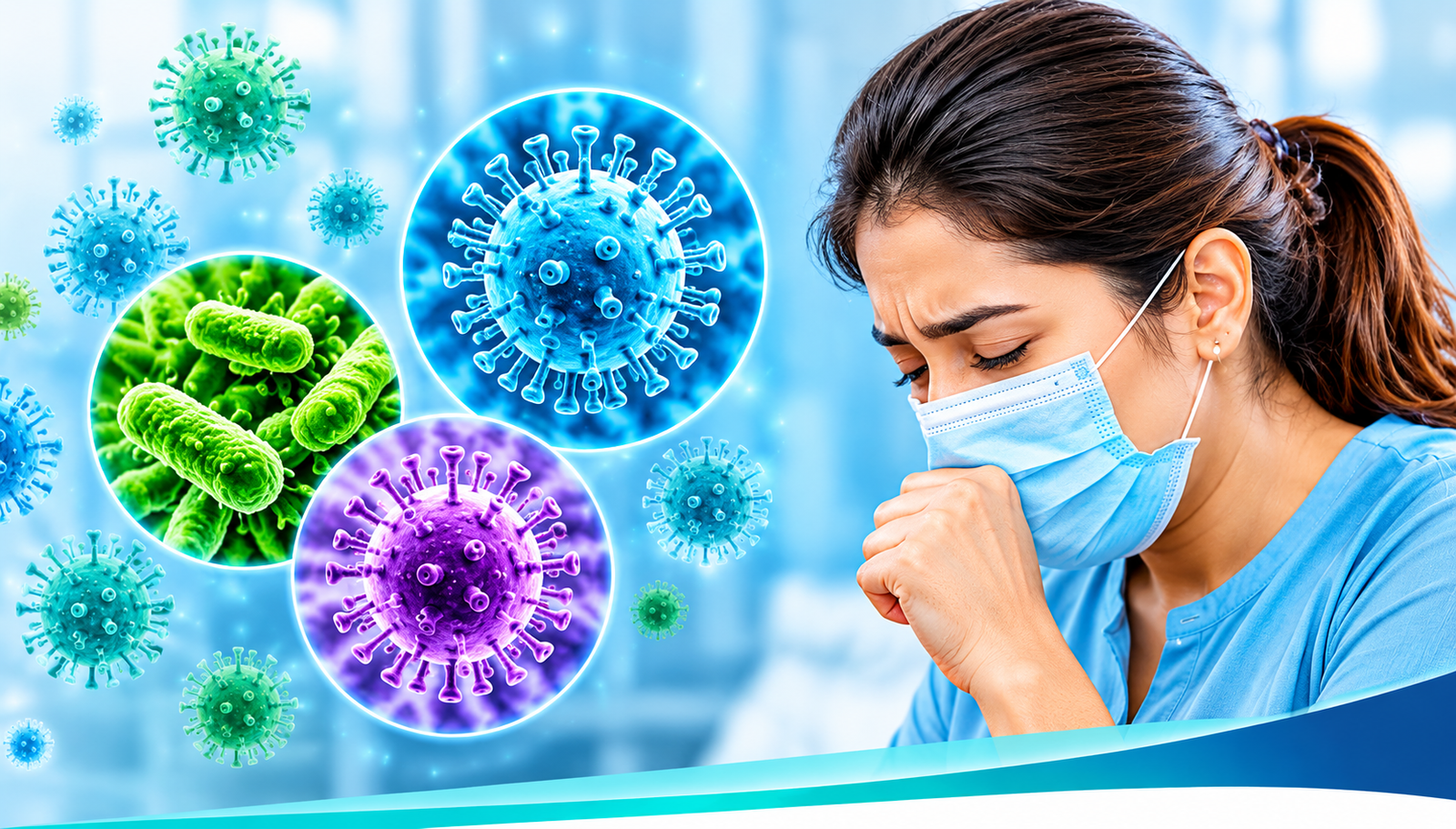
What are Infectious Diseases ?

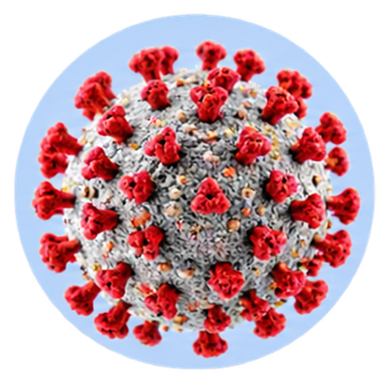
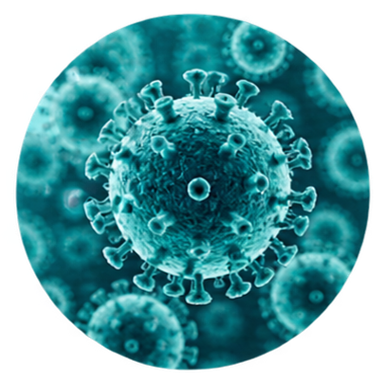
Infectious diseases are illnesses caused by harmful germs like viruses, bacteria, fungi, or paracites. These germs can spread through air, water, food, direct contact or vectors like mosquitoes. 

picture37

Influenza (Flu)

picture36

Covid-19

picture35

Tuberculosis(TB)

picture34

Dengue Maleria

picture33

Typhoid & Food Poisoning

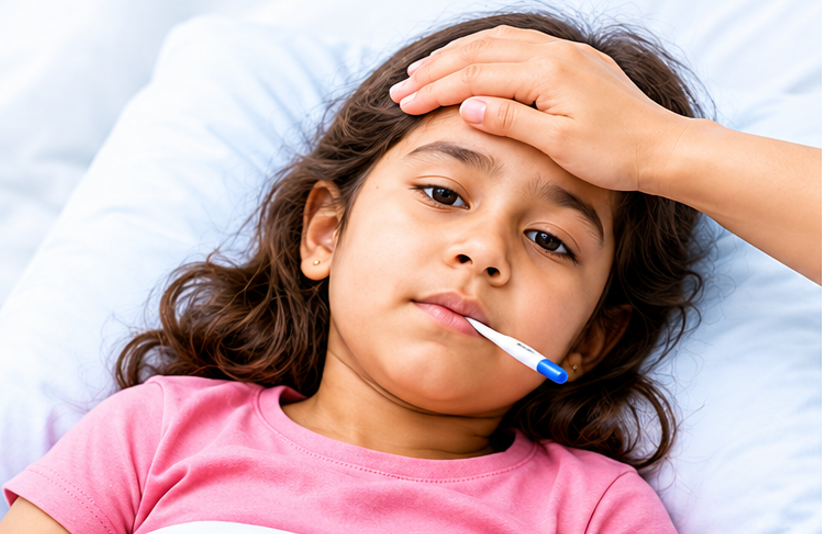
Symptoms

picture32

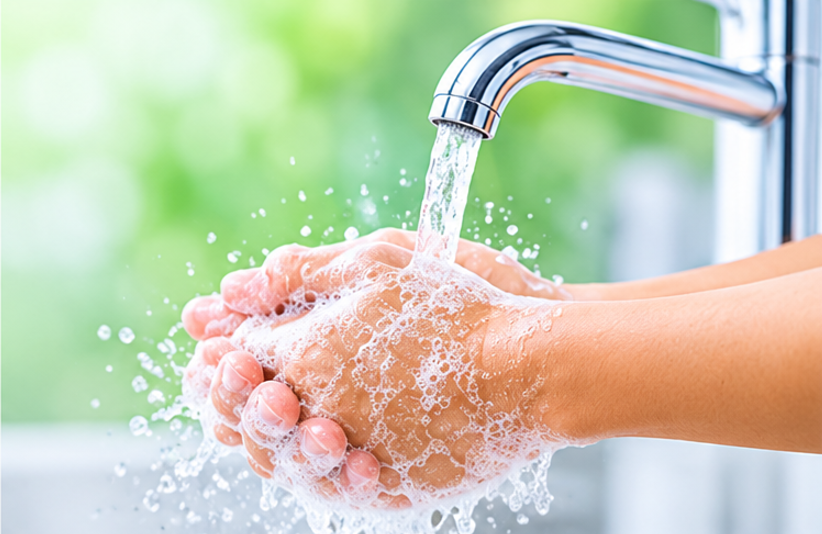
Prevention Tips

picture29

When to See a Doctor ?

Contatc a doctor if you have persistant fever, severe cough, breathing difficulty, prolonged diarrhoea, or any unusual symptoms that do not improve. 

picture30

Real Stories Real Results

Find Us Here !

Ready to Begin Your Wellness Journey ?

Book your consultation yoday and take the first step towards natural, lasting health

FAQs (Frequently Asked Questions)

1. What are the most common infectious diseases?

Some common infectious diseases include Influenza (Flu), COVID-19, Tuberculosis (TB), Dengue, Malaria, Typhoid and other food- or water-borne infections.

Infectious diseases can spread through the air, contaminated food or water, direct physical contact, infected surfaces, and insect bites such as mosquitoes.

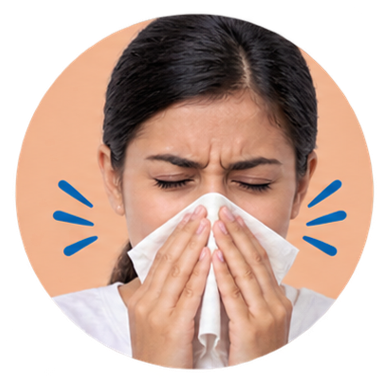
Common symptoms include fever, cough, cold, sore throat, body aches, headache, diarrhoea, vomiting, skin rashes and tiredness. Symptoms may vary depending on the infection.

You can reduce your risk by washing your hands regularly, drinking clean water, eating properly cooked food, maintaining good hygiene, avoiding close contact with sick people and getting recommended vaccinations.

Some infectious diseases are contagious and can spread from one person to another, while others spread through contaminated food, water, insects or other sources. The mode of transmission depends on the infection.

Yes. Adults may need vaccinations to protect against infections such as influenza, COVID-19, hepatitis and other vaccine-preventable diseases. Consult your doctor about the vaccines recommended for your age and health condition.

Consult a doctor if you have persistent or high fever, severe cough, breathing difficulty, prolonged diarrhoea, dehydration or unusual symptoms. Seek urgent medical attention for severe breathing difficulty, confusion or other serious symptoms.

Many infectious diseases can be successfully treated with appropriate medical care. Treatment depends on the cause and may include antiviral, antibiotic, antifungal or other specific medicines. Some infections require long-term treatment.

No. Antibiotics work against bacterial infections but do not treat viral infections such as the common cold or flu. Always take antibiotics only when prescribed by a qualified doctor.

Use mosquito repellents, wear full-sleeved clothing, use mosquito nets and prevent water from collecting in containers around your home. These steps help reduce mosquito breeding and bites.

picture11