DIABETES CARE & MANAGEMENT
Take Control of Diabetes. Live a Healthier Life.
Diabetes is a manageable health condition that requires the right medicla guidance, regular monitoring and healthy lifestyle.
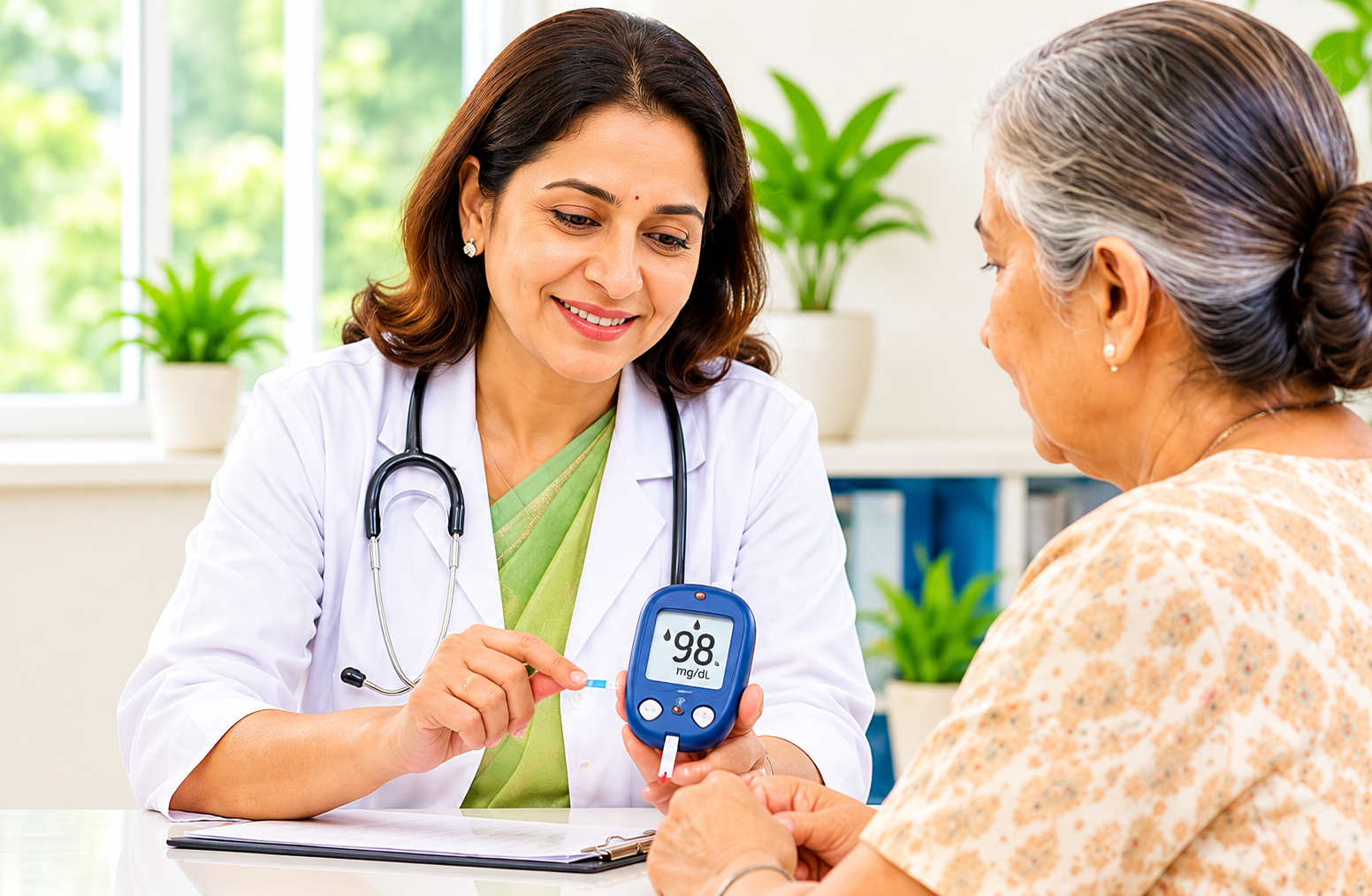
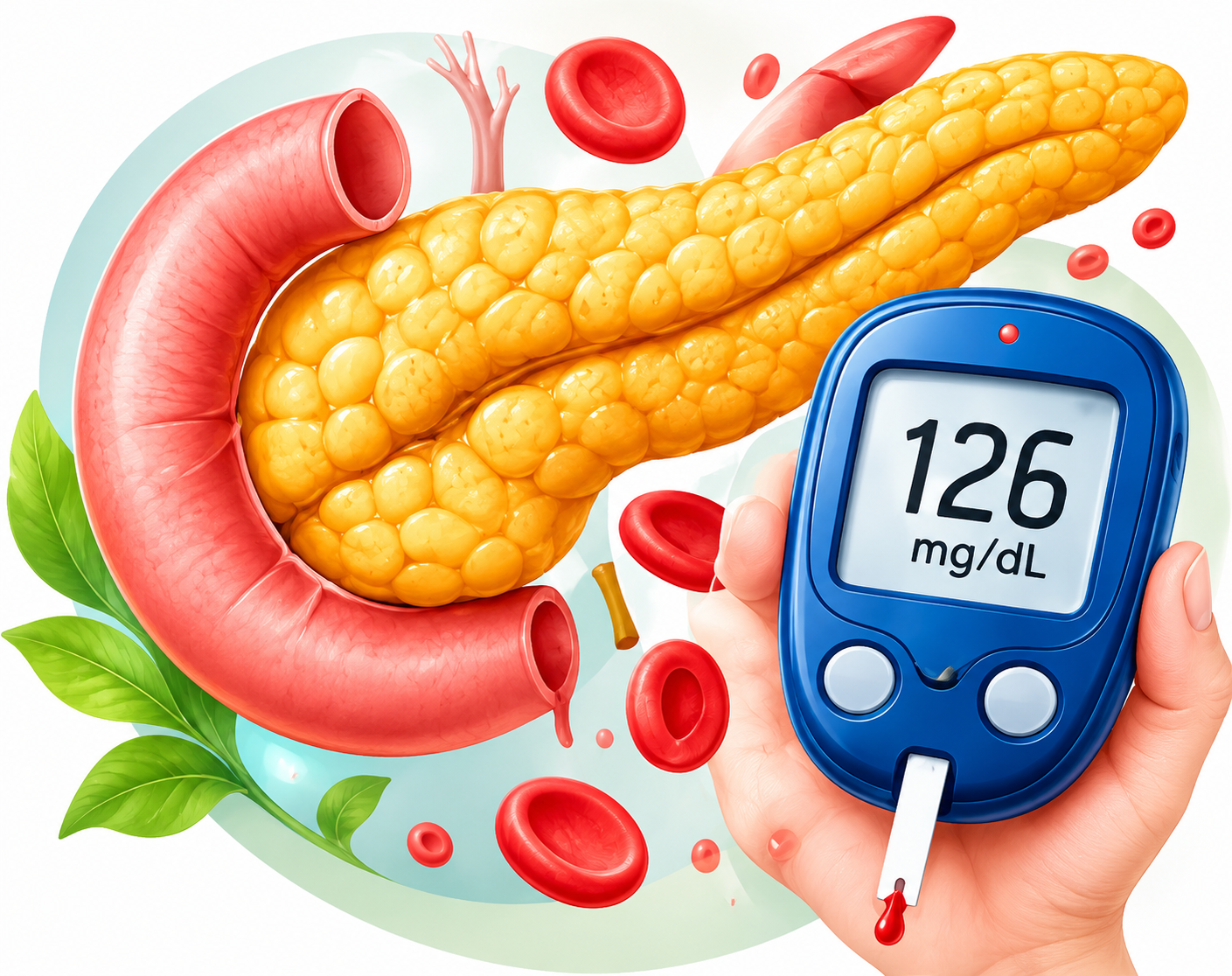
What is Diabetes ?
Daibetes mellitus is a chronic health condition in which blood glucose levels remain higher than normal. It occurs when the body does not produce enough insulin or cannot use insuline effectively.
Early diagnosis and proper treatment can help you manage diabetes and prevent complications
Common Symptoms

Type1 Diabetes
Body produces little or no insulin.
Type 2 Diabetes
Body uses insulin less effectively.

Gestational Diabetes
During Pregnancy

Prediabetes
Higher than normal blood sugar.
Recognise warning signs
Diabetes may develope gradually. Look out for.
- Frequent urination
- Excessive Thirst
- Increased Hunger
- Unexplained Weight Loss
- Feeling Tired
- Blurred Vision
- Slow healing wounds
- Tingling in hands & feet
- Frequent Infections
What Causes Diabetes &
Who Is at Risk ?

- Family history of diabetes
- Overweight or obesity
- Sedentary lifestyle
- Unhealthy diet
- Increasing age
Diabetes Management at Our Clinic
At Dr. Gulati’s Polyclinic, we offer personalised diabetes care for better long-term health.Â
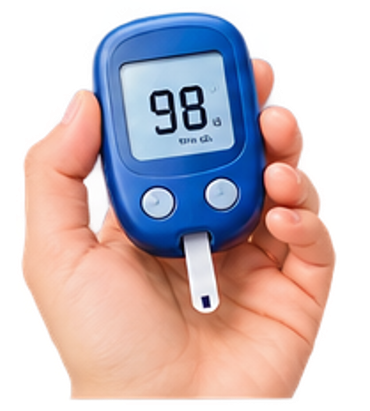
- Regular Bood Sugar Monitoring
- Dietory Guidance
- Lifestyle Modification
- Medication Management
- Complication Screening
- Ongoing Follow-ups
How Is Diabetes Dignosed ?
Your doctor may recommend one or more of these tests

Type1 Diabetes
Body produces little or no insulin.

Type 2 Diabetes
Body uses insulin less effectively.

Gestational Diabetes
During Pregnancy

Prediabetes
Higher than normal blood sugar.
Why Choose Dr. Jyoti Gulati
- MBBS, MD-General Medicine
- Consultant Physician
- General Physician & Diabetologist
- 31 years of MEdical Experience
- Personalised Care & Guidance

Eat a balanced diet

Stay active regularly

Drink plenty of water

Maintain healthy weight

Avoid smoking
Real Stories Real Results
EXCELLENT Based on 19 reviews Posted on Google Narayan MahishiTrustindex verifies that the original source of the review is Google. Excellent doctor,CARES . Listen carefully .BEST TREATMENT GIVEN TO PATIENTPosted on Google manisha dhoteTrustindex verifies that the original source of the review is Google. Dr. Jyoti Gulati is an outstanding doctor who has been our trusted family physician for many years. She takes the time to listen carefully, thoroughly understands the issue, and provides precise and effective treatment. I am deeply grateful for the many times she has helped me and my family recover with her expert care. God bless her!Posted on Google Harshali moreTrustindex verifies that the original source of the review is Google. Very nice doctor always ready to help like God givenPosted on Google PATHAN AMIRTrustindex verifies that the original source of the review is Google. Nice Doctor
Find Us Here !
Ready to Begin Your Wellness Journey ?
Book your consultation yoday and take the first step towards natural, lasting health
FAQs (Frequently Asked Questions)
1. What is diabetes and why does it occur?
Diabetes is a chronic condition in which blood glucose (sugar) levels become higher than normal. It occurs when the body does not produce enough insulin or cannot use insulin effectively. Insulin is a hormone that helps regulate blood sugar levels.
2. What are the early warning signs of diabetes?
Common symptoms include frequent urination, excessive thirst, increased hunger, unexplained weight loss, fatigue, blurred vision, and slow wound healing. Some people may have no noticeable symptoms, especially in the early stages.
3. What are the different types of diabetes?
The main types are:
Type 1 Diabetes: The body produces little or no insulin.
Type 2 Diabetes: The body becomes resistant to insulin or does not produce enough.
Gestational Diabetes: Develops during pregnancy and usually requires monitoring and treatment.
Â
4. Can diabetes be completely cured?
Currently, there is no established cure for Type 1 diabetes. Type 2 diabetes can sometimes go into remission through significant lifestyle changes and weight management, particularly when addressed early. However, regular monitoring remains important.
5. What is the normal blood sugar level?
For most non-pregnant adults without diabetes, the usual reference levels are:
Fasting blood sugar: 70–99 mg/dL.
Two hours after meals: Less than 140 mg/dL.
HbA1c: Below 5.7%.
People with diabetes may have different individualized treatment targets.
6. How often should diabetic patients check their blood sugar?
Testing frequency depends on the type of diabetes, medication, insulin use, and blood sugar control. Some patients may need daily monitoring, while others may require periodic testing as advised by their doctor.
7. Can diabetes be controlled without medication?
Some people with early Type 2 diabetes may achieve good blood sugar control through a balanced diet, regular exercise, and weight management. However, many patients need medication or insulin. Never stop prescribed medicines without consulting your doctor.
8. What foods should diabetic patients avoid?
Diabetic patients should limit sugary drinks, sweets, refined carbohydrates, processed foods, and excessive portions of high-calorie foods. A balanced diet containing vegetables, whole grains, pulses, lean proteins, and healthy fats can support blood sugar management.
9. Can diabetes affect the heart, kidneys, and eyes?
Yes. Uncontrolled diabetes can increase the risk of heart disease, kidney damage, nerve problems, and diabetic eye disease. Regular health check-ups and good blood sugar, blood pressure, and cholesterol control help reduce these risks.
10. How can I prevent or reduce the risk of Type 2 diabetes?
You can reduce your risk by maintaining a healthy weight, eating a balanced diet, exercising regularly, avoiding tobacco, getting adequate sleep, and undergoing regular blood sugar screening, especially if you have a family history of diabetes.